lunes, 20 de mayo de 2024

ILLUSTRATION


 ILLUSTRATION

An illustration is a drawing, painting or printed work of art which explains, clarifies, illuminates, visually represents, or merely decorates a written text, which may be of a literary or commercial nature.

Another definition for illustration in Art is a visualization or a depiction made by an artist, such as a drawing, sketch, painting, photograph, or other kind of image of things seen, remembered or imagined, using a graphical representation.


WHAT IS AN ILLUSTRATION? 


AUTHOR VERSUS ILLUSTRATOR? 


HOW TO BE AN ILLUSTRATOR? 


ILLUSTRATORS AND THEIR WORKS OF ART


ILLUSTRATION TRENDS 2023


SUMMARIZING

An illustration is a drawing that is related to a text. The image has the same meaning as the text and helps us to understand or enhance the idea. 

An illustration illustrates or depicts an idea.

TASK


First: Check drawings online for ideas, that will help you to make up a story. Or use the Story Cubes. 

Second: Draw the illustration taking into account that you have to leave some free space for the text.

Finally: Colour your drawing with colour pencils. You must apply the techniques you have learnt on the previous activity (activity 15 A)


Here you have some examples done by students: 


lunes, 29 de abril de 2024

UNIT 6: ELEMENTS OF ART "COLOUR"

ELEMENTS OF ART: 

"POINT, LINE, SHAPE, FORM, VALUE, TEXTURE, COLOUR, SPACE"

HOW MUCH DO YOU KNOW ABOUT COLOUR? 


COLOUR LIGHT, ADDITIVE MIX


IF BROWN IS A COLOUR... 
WHY ISN'T IT ON THE VISIBLE LIGHT SPECTRUM?


LET'S CHECK YOUR KNOWLEDGE 

(Click on the image below) 

Resultado de imagen de colour theory


ACTIVITIES 

Interpretation of "Twilight in Venice" by Claude Monet.


COLOUR VERSUS VALUE


4. cool colours and warm colours


YAACOV AGAM 

 Yaacov Agam  (born 11 may 1928, Israel) is an Israeli sculptor and experimental artist best known for his contributions to optical and kinetic art.

 AGAMOGRAPHIES

lunes, 22 de abril de 2024

COLOUR PERCEPTION


ACTIVITY: Colour and Context

Lets experiment with Colour and Context and create our own Colour Contrast by changing the colour of background and figures. 

Exercise 1. One Colour should appear as two. 

Exercise  2. Two colours should appear as one. 

Assessment Criteria (do not forget to copy this at the back of your work) 

1.Draw a margin or a frame. (1 point)
2. Colour illusion well done. (3 points)
3. Homogeneous colours and accuracy at edges. (2 points)
3. Neatness, good presentation. (2 points)
4. Description of your work. (1 point) 
5. Selfevaluation. (1 point) 

lunes, 11 de marzo de 2024

UNIT 2: ART VISUAL ELEMENTS "TEXTURE"


Texture


Remember that the visual elements of an image are: POINT, LINE, SHAPE, FORM (SPACE), VALUE, COLOUR AND TEXTURE.

During this term we have seen three of these visual elements: Point, Line and Shape. The next visuals elements to see are TEXTURE, COLOUR, VALUE and FORM (SPACE)

TEXTURE is a powerful art element because it can quickly evoke memories and emotions. Start becoming more aware of textures all around you—the carpet, in the clothes you’re wearing, and the fur on your cat.  Let's see these presentations and video to get a better idea of this concept:


THEORY 


HOW TO DRAW IMPLIED (VISUAL) TEXTURES


martes, 9 de enero de 2024

PATRIMONIO INDUSTRIAL EN MADRID - INDUSTRIAL HERITAGE IN MADRID

       CONCURSO FOTOGRÁFICO / PHOTO CONTEST 


BASES DEL CONCURSO

El IES Juan de la Cierva participa en un proyecto nacional para trabajar el Patrimonio Industrial con dos centros de otras comunidades, el IES Politécnico Jesús Marín (Málaga) y el IES EL PALMERAL (Orihuela).

Dentro del ámbito de actuación del proyecto y en colaboración con la AFA del IES Juan de la Cierva, se convoca este concurso fotográfico, que se regirá por las siguientes bases:

1. Objetivo: Mejorar el conocimiento del patrimonio industrial de Madrid.

2. Participantes: El concurso está dirigido al alumnado del IES Juan de la Cierva. Cada participante podrá presentar una fotografía representativa del patrimonio industrial de Madrid, tanto edificios como maquinaria.

Se establecen 2 categorías:

  • Alumnos de ESO y FP Básica

  • Alumnos de Bachillerato y ciclos formativos de grado medio y superior.

3. Presentación de proyectos:

Las fotografías deberán enviarse en formato JPG a la dirección de correo electrónico del AFA: apajcierva@gmail.com poniendo en el asunto CONCURSO FOTOGRÁFICO.

Se deberá indicar en el correo el nombre y apellidos del alumno, curso al que pertenece, así como una pequeña descripción de lo que representa la fotografía presentada. La fecha límite de recepción de propuestas será el día 1 de marzo de 2024.

4. Jurado y veredicto: El Jurado estará compuesto por los coordinadores del proyecto, profesorado del departamento de dibujo y representantes del AFA.

El veredicto se notificará por correo electrónico al ganador y se hará público en la página web del centro.

5. Derechos de propiedad:

Los ganadores del concurso ceden todos los derechos de las fotografías presentadas al IES Juan de la Cierva, por lo que el centro pasará a ser propietario de todos los derechos de propiedad intelectual que pudiesen corresponderle, así como de su “copyright”. De la misma forma se ceden también los derechos de manipulación, edición, exposición y reproducción.

El ganador se hará totalmente responsable frente a las reclamaciones que pudieran surgir de cualquier naturaleza o que terceros pudieran hacer al respecto, sin carácter exhaustivo, a la originalidad, parecidos o copias parciales de los trabajos presentados.

6. Premio: Se establecen dos premios para cada categoría valorados en 100€ y 50€.

La entrega de premios se realizará en los actos de graduación.


INDUSTRIAL HERITAGE IN ARGANZUELA


ESTACIÓN DE ATOCHA


MUSEO DEL FERROCARRIL 


INDUSTRIAL HERITAGE IN MADRID

Text and photography by: Mercedes Gómez from the blog Artedemadrid.wordpress.com

Translation by: Noelia Calle

Here are six examples that the Community of Madrid presented in the Exhibition Hall of the Royal Tapestry Factory, a former workshop, for the exhibition "100 elements of Industrial Heritage in Spain": The urban-industrial complex of Nuevo Baztán, a village full of uniqueness and charm; the winery and cellars of the Real Cortijo de San Isidro in Aranjuez; the hydraulic complex of the Canal de Isabel II; and in the city, Metro de Madrid, the former Fábrica de Cervezas El Águila, and the exhibition venue itself, the Real Fábrica de Tapices.

The most beautiful thing is that the chosen places in Madrid can be visited.


The El Águila Beer Factory


It has been converted into the Regional Archive and Library,  organises guided tours. By appointment, visitors can also learn about the brewing process at the Heineken España brewery.


The Interpretation Centre of Nuevo Baztán. 


A historic-artistic site, built by José Benito de Churriguera at the beginning of the 18th century, commissioned by Juan de Goyeneche, a private initiative that would create, in addition to the church-palace, factories producing glass, fabrics, soap, shoes, etc.


The Metro Museum "Andén 0"


Entrance to the old Chamberí station, now the Andén 0 Museum.


It is in the old Chamberí Station, and in the Nave de Motores in Pacífico, whose architectural project was the work of Antonio Palacios, is at our disposal every day except Mondays.

Madrid Engine Shed


Visits are free and guided. They show you the machinery that the Metro had to supply electricity to the trains in the event of a blackout. It is curious because you discover that the trains run on direct current. It must have been impressive to see those huge diesel engines running.


Isabel II Canal Reservoir or Water Deposit


The old water lifting station and one of the Canal de Isabel II Reservoirs, in Calle Mateo Inurria and Santa Engracia, can now be enjoyed thanks to their transformation into exhibition halls.


Interior of the Canal Isabel II Reservoir


The Real Cortijo of San Isidro


Winery of Real Cortijo de San Isidro


The Real Fábrica de Tapices building


C/Fuenterrabía 2 

It was built by the Royal Architect José Segundo de Lema -whom we know from the Real Colegio de Nuestra Señora de Loreto-, between 1889 and 1891 in neo-Mudejar style, with its old chimney, another of the few remaining in Madrid. A visit to the Royal Factory, from Monday to Friday, is really beautiful.


How many of these places do you know?


Here you have all the necessary information (timetables, telephones...) for the Visit to the elements of the Industrial Heritage of the Community of Madrid represented here. Horarios visitas.


UNIT 9: DIGITAL PHOTOGRAPHY, PORTRAIT.

PORTRAIT PHOTOGRAPHY

Top Tips on How to Master Portrait Photography


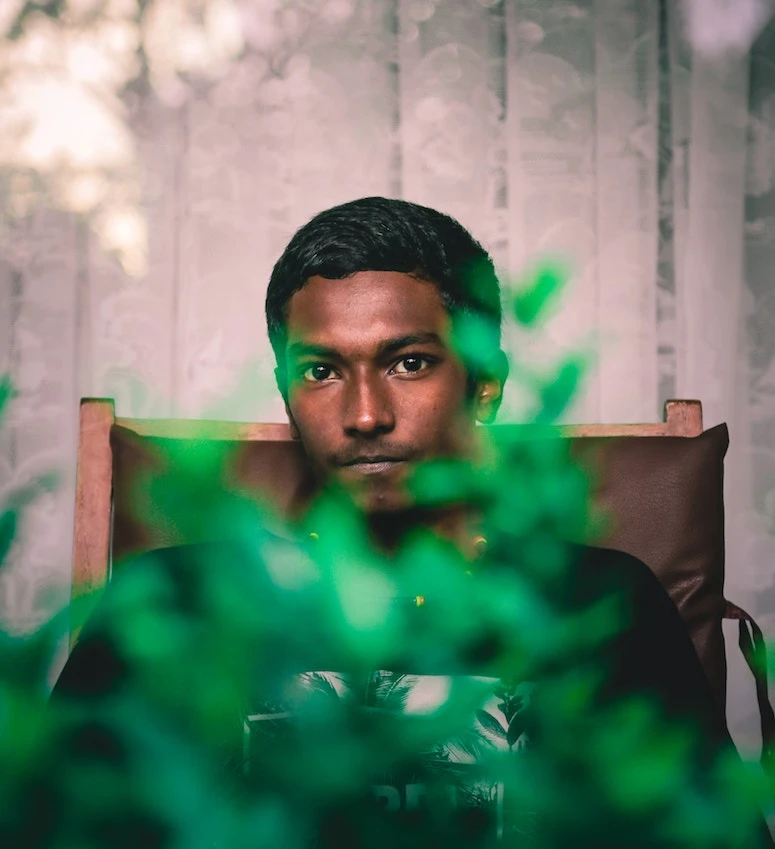
Portrait photography is the art of capturing the inherent character of your subject within a photograph. While that quizzical definition covers the basics, portrait photography goes way beyond just clicking pictures of people.


Great portrait photography is a result of combining the right technique with an artist's expression.

Technique: Using the correct camera settings, compositions, angles, lighting, backdrops, and poses.

Art: It's about capturing a stunning and emotive portrait that evokes feelings in the viewers and captivates their attention.

First practiced by artists such as Picasso, portrait paintings have a great history of storytelling. Taking great portrait photographs is the modern form of the same technique. While it requires much less effort than painting, capturing the expressions and emotions that make up good portrait photography can take time to master.

Great portrait photography is as much about following the rules and guidelines as it is about breaking out of the mold. We have put together an exhaustive list of best practices and techniques on how to take good portraits.


1. Focus on the subject

The subject is the most important aspect of portrait photography.


2. Find the right location

The location you choose for the portrait shoot is going to be a significant influence on the final results


3. Getting the pose right

Figuring out the right portrait photography poses for your subject that portrays them in the most flattering way is always a new journey.


4. Capture emotions and expressions

Artistic portrait photography is all about finding emotions and expressions in portrait pictures. Getting your subject to emote is easier said than done. Make sure that you avoid fake smiles and blank looks. A genuine sparkle in the eye, a faint smile, a confident expression - these are the recipes for creating portrait shots that will shine. Work with your subject and give them time to get into the zone. Forcing or hurrying this process will not work.


5. The background matters

The focus in portraiture, as expected, is on the subject model. However, there are more intricacies than just that. Sometimes, an interesting background can add a lot of drama to the photograph and help your subject stand out.

In most cases, though, blurring the background correctly can add more emphasis to the subject.


6. Try out different angles.

Most portraits photographs are shot by placing the camera at the eye level of the subject. Shooting at the eye level produces excellent portraiture shots with the subject's eyes becoming the focus of the photograph. However, choosing an unconventional angle can make your portraits stand out.


7. Using props for effect

Adding props to your portrait photography is a great way to add a dash of color, excitement, and impact to the shots. Using photography props creatively can completely alter the nature of the photograph. You can develop your signature style by experimenting with shapes, textures, colors of props.


8. Shoot a Series of Shots

Using the 'burst' or 'continuous shooting' mode of your camera to click a series of shots that capture the different poses of your subject in motion is a great technique.


9 Break the Rules

Understanding the rules and practicing them can be a precursor to get creative and break the rules. When you break the rules, you create unusual and unique work that would make your brand,


Let´s learn more about it!!! (Click on the image)


Top 10 Most Famous Portrait Photographers In The World (Click on the image).


CREATIVE IDEAS FOR YOUR PHOTOS


TASK 2


  1. CREATIVE SELFIE


2. FORCED PERSPECTIVE


3. PORTRAIT